
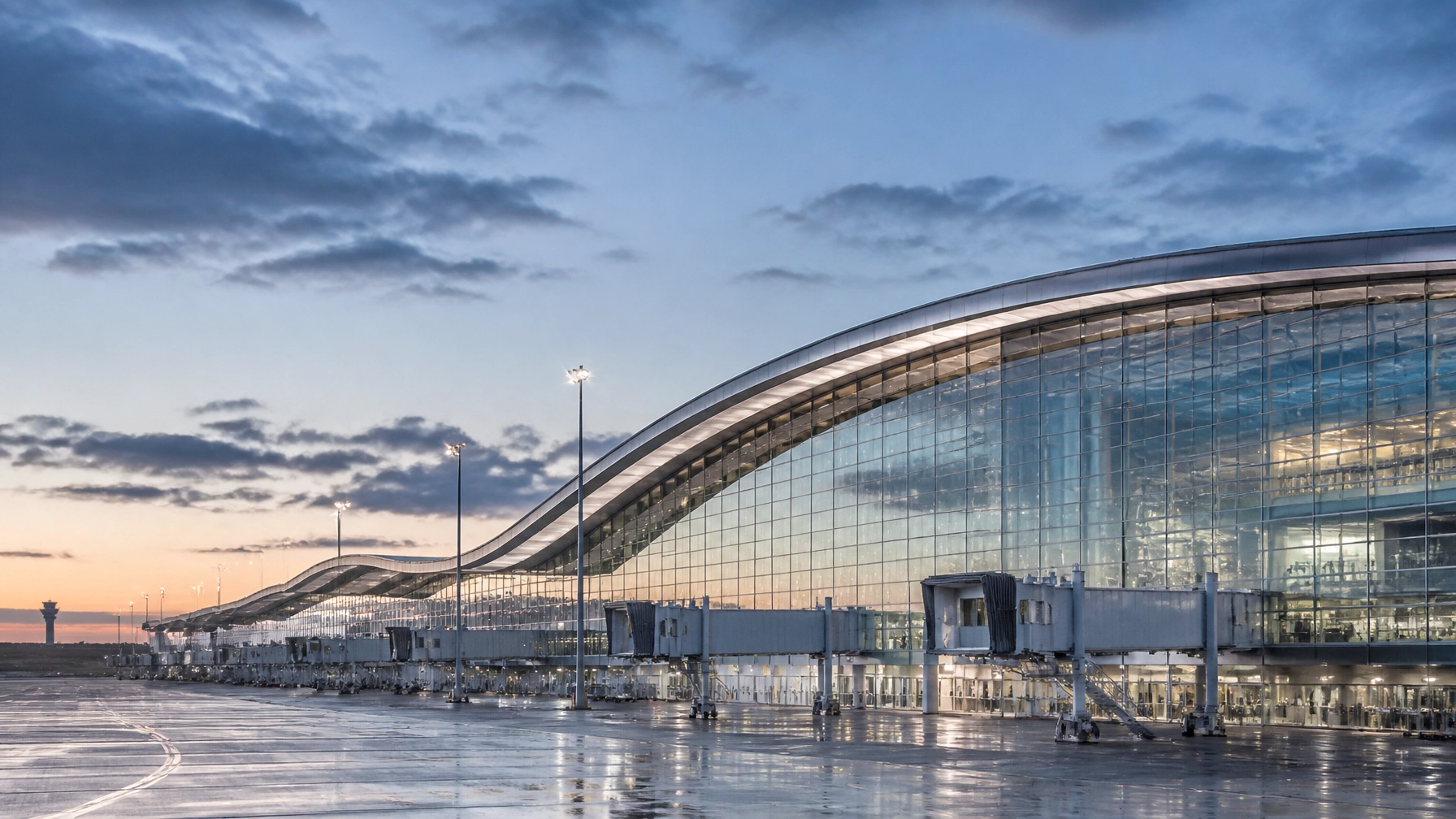
Dallas/Fort Worth International Airport (DFW) is not just an airport; it is a sprawling metropolitan entity in its own right. Geographically larger than the island of Manhattan, DFW serves as the primary gateway for North Texas and ranks as the fourth busiest airport globally. For the uninitiated, its five massive terminals and complex layout can be daunting. However, beneath the surface of this logistical giant lies a sophisticated digital nervous system: a cutting-edge AI digital twin that is redefining how modern infrastructure operates.
Whether you are a frequent flyer looking to shave minutes off your transit time or a tech enthusiast interested in how MetaWorldX smart airport solutions are shaping the future, this guide provides the roadmap you need.
The Lay of the Land: A Terminal-by-Terminal Breakdown
DFW operates through five semi-circular terminals: A, B, C, D, and E. Understanding the hierarchy of these terminals is the first step to navigating like a professional.
- Terminal A: Primarily serves American Airlines. It is home to many domestic gates and is often the first point of entry for travelers arriving from the Dallas side.
- Terminal B: Dedicated to American Eagle (regional flights). It features a unique circular gate layout that can feel more intimate than the larger terminals.
- Terminal C: The high-volume hub for American Airlines domestic flights. This terminal is bustling and serves as the core of the airline’s DFW operations.
- Terminal D (International): The architectural crown jewel of DFW. It handles all international arrivals and departures, featuring premium retail, fine dining, and the airport’s most luxurious lounges.
- Terminal E: The multi-carrier terminal. It serves major airlines like Delta, United, and JetBlue, as well as several regional partners.
- Terminal F: Currently under construction, this future terminal is being designed with the latest in modular construction and digital integration, promising to be the most advanced facility on the campus.
Pro Tip: Always check your gate via the DFW app before arrival, as American Airlines often shifts domestic flights between A, B, and C based on real-time gate availability.
Moving Between Terminals: Skylink vs. Terminal Link
Navigating an airport larger than Manhattan requires efficient transit. DFW offers two primary systems to keep passengers moving.
The Skylink (Post-Security)
The Skylink is a world-class, free automated people mover that connects all five terminals. It is located inside the secure area, meaning you can transfer between gates without exiting security.
- Speed: Trains run every 2 minutes.
- Efficiency: The maximum travel time between any two points in the airport is a mere 9 minutes.
- Views: For aviation enthusiasts, the Skylink offers some of the best views of the runways and the massive hangar complexes.
Terminal Link (Pre-Security)
If you need to move between terminals before checking in or after claiming baggage, use the Terminal Link shuttle. These orange vans operate outside of security and stop at every terminal, though they are significantly slower than the Skylink due to roadway traffic.

Efficiency Secrets: Security and Check-In
With 15 total checkpoints (three per terminal), the key to a stress-free departure is choosing the right lane. DFW has integrated AI airport security features and automated screening lanes to expedite the process.
- TSA PreCheck: Available in Terminals A, C, D, and E.
- CLEAR: Currently available at gate E18, offering the fastest biometric identity verification.
- Automated Screening Lanes (ASL): Located at A21, D18, D22, D30, and E18, these lanes use advanced imaging and tray-return systems to process 30% more passengers per hour.
- DFW Fast Pass: A digital tool that allows travelers to schedule their security screening time in advance, further reducing wait times.
The Invisible Infrastructure: The Digital Twin Powering DFW
While passengers see sleek terminals and fast trains, the real innovation happens behind the scenes. DFW is a global pioneer in digital twin technology airports, utilizing a massive data ecosystem to optimize every square inch of the facility.
In collaboration with the Willow platform, DFW has built a comprehensive digital replica of its infrastructure. This isn’t just a 3D model; it is a living, breathing representation of the airport’s physical assets.
- Asset Management: The twin tracks over 171,000 individual assets, from HVAC units to runway lights.
- Real-Time Data: The system integrates 124,000 live data points, providing a "single pane of glass" view for operations.
- Skill Instances: With over 301,000 active skill instances, the twin uses AI to monitor health and predict failures before they happen.
Unifying the Campus
DFW has successfully unified five separate Building Management Systems (BMS) and three Computerized Maintenance Management Systems (CMMS). This integration allows the airport to manage its sprawling 5-terminal campus as a single, cohesive entity rather than a collection of isolated buildings.
The Airside Digital Twin Case Study
A landmark case study published in the Journal of Airport Management (2026) highlights DFW’s "Airside Digital Twin." By creating a digital replica of Runway 18R/36L, the airport has pioneered the industry’s first active runway twin. This system allows for precise monitoring of pavement health and airside assets, ensuring that the most critical part of the infrastructure: the runway: is always operational.

AI for Airport Operations: Predictive and Proactive
MetaWorldX champions the use of Critical Infrastructure solutions that move from reactive to predictive maintenance. At DFW, this manifests in several key ways:
- Predictive Maintenance: AI algorithms monitor the Skylink system and baggage handling belts. If a motor begins to vibrate outside of normal parameters, the digital twin alerts maintenance crews before a breakdown occurs.
- HVAC Optimization: By analyzing real-time passenger flow and weather data, the digital twin adjusts cooling and heating across the massive terminals, aiming for a 20-25% reduction in maintenance costs per square foot.
- Sustainability Goals: These efficiencies are critical for DFW’s ambitious goal of reaching carbon net-zero by 2030.
Passenger Perks: Lounges and Amenities
Even with the best navigation, sometimes you just need to wait. DFW offers world-class amenities designed for comfort and productivity.
- Capital One Lounge (D22): Renowned for its high-end food, cocktail bar, and even a cycling room for those wanting a quick workout.
- Art Program: Terminals D and A feature museum-quality installations that reflect the culture and history of North Texas.
- Founders' Plaza: Located just outside the airport grounds, this is a dedicated observation area with live radio feeds from the control tower, perfect for planespotting.

Pro Tips for Navigating Like a Resident
- Parking: If you are driving, use the DFW app to pre-book parking. You can often save up to 50% on terminal parking rates by booking 48 hours in advance.
- Baggage Claim: If you are arriving on an international flight at Terminal D but have a domestic connection, you will reclaim your bags at the international reclaim area before re-checking them immediately outside customs.
- The "Secret" Checkpoint: If the main security line in Terminal C is long, consider taking the Terminal Link to Terminal B or D, clearing security there, and taking the Skylink back to your gate in C.
The Future is Digital
Dallas/Fort Worth International Airport is a masterclass in combining physical scale with digital precision. By leveraging AI for airport operations and a robust Smart City framework, DFW is not just moving people: it is setting the standard for how global hubs will function in the decades to come.
The era of virtual cities is here. Through the power of digital twins, we are transforming complex information into actionable insights, ensuring that even the world’s largest airports remain efficient, sustainable, and passenger-friendly.

At MetaWorldX, we are proud to be at the forefront of this revolution. If you are ready to explore how Smart Buildings and digital twin technology can transform your infrastructure, we invite you to connect with our visionary team and build the future today.