

Critical infrastructure monitoring has reached a pivotal moment. As we navigate 2025, organizations face an increasingly complex decision: continue with time-tested traditional monitoring methods or embrace the transformative potential of digital twin technology. This choice directly impacts operational efficiency, safety outcomes, and long-term infrastructure sustainability.
The stakes have never been higher. With aging infrastructure across airports, data centers, power grids, and transportation networks, the cost of reactive maintenance continues to climb while the demand for 24/7 reliability intensifies. Digital twins promise continuous monitoring and predictive capabilities, while traditional methods offer proven reliability and direct validation.
Understanding the fundamental differences between these approaches is essential for infrastructure decision-makers planning their monitoring strategies for the next decade.
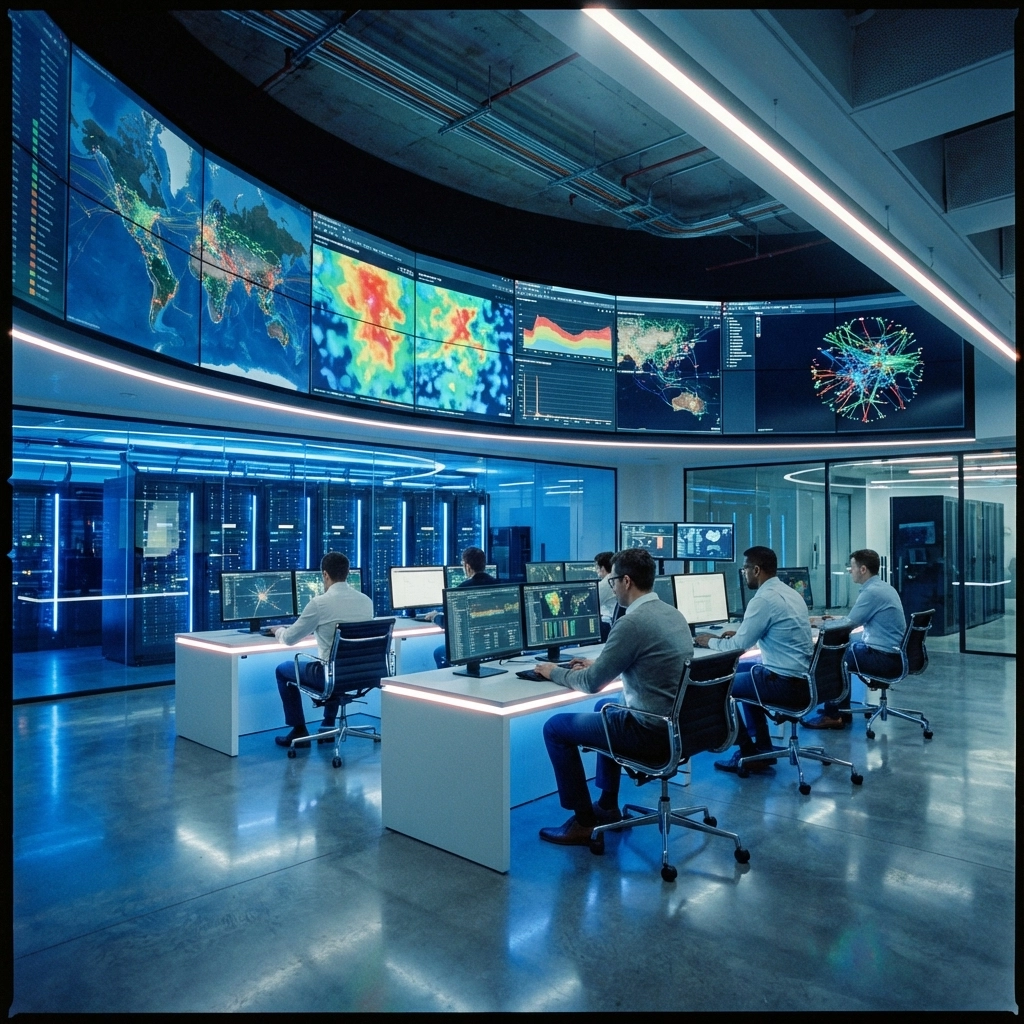
Digital Twin Technology: The New Standard for Infrastructure Intelligence
Digital twin technology creates precise virtual replicas of physical infrastructure assets that continuously synchronize with real-world conditions through IoT sensors and advanced analytics. This approach represents a fundamental shift from periodic snapshots to continuous, real-time monitoring that transforms how organizations understand and manage their critical assets.
Core Advantages of Digital Twin Monitoring
Continuous Real-Time Visibility
Digital twins provide uninterrupted monitoring of structural behavior, environmental conditions, and operational performance. Unlike traditional methods that capture data at specific intervals, this technology delivers 24/7 insights into asset health and performance trends.
Predictive Maintenance Capabilities
Advanced AI and machine learning algorithms analyze sensor data patterns to forecast potential failures before they occur. This predictive approach can reduce maintenance costs by up to 30% while extending asset lifespan through optimized intervention timing.
Risk-Free Scenario Testing
Engineers can simulate various operational scenarios: from routine load conditions to extreme weather events: without physical risk to actual infrastructure. This capability enables thorough testing of structural responses and operational contingencies.
Automated Alert Systems
Digital twins generate immediate notifications when structural behavior deviates from established baselines, enabling rapid response to emerging maintenance needs and potential safety concerns.
Implementation Considerations
Initial Investment Requirements
The upfront costs for comprehensive digital twin systems can be substantial. Organizations must budget for IoT sensor networks, cloud infrastructure, AI model development, and integration with existing systems.
Data Security and Compliance
Cloud-based monitoring requires robust cybersecurity measures to protect sensitive infrastructure data. Organizations must implement comprehensive security protocols and ensure compliance with relevant regulations.
Technical Complexity
Seamless integration between sensors, AI systems, and cloud platforms requires careful planning, ongoing maintenance, and specialized technical expertise.
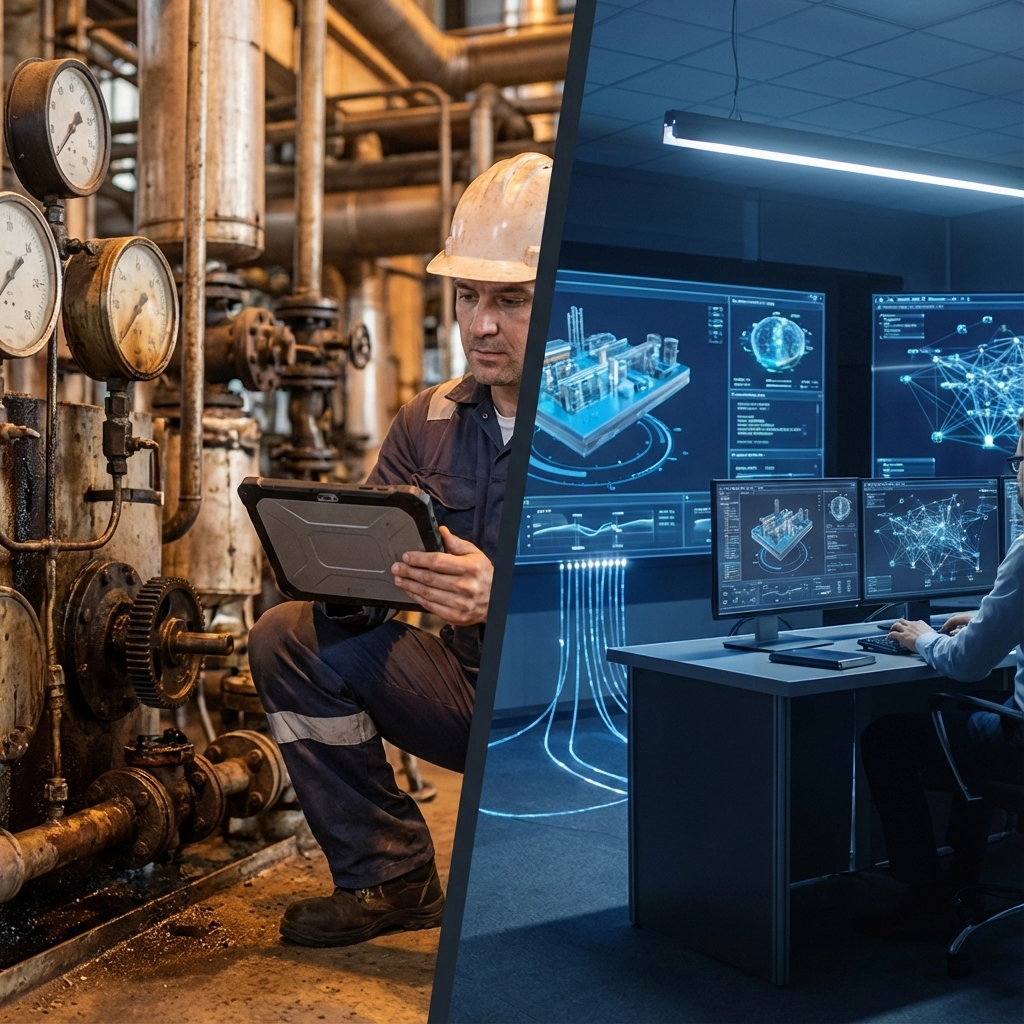
Traditional Monitoring: Proven Methods with Established Track Records
Traditional monitoring approaches rely on scheduled inspections, manual data collection, and direct physical measurements to assess infrastructure condition. These methods have guided infrastructure management for decades and continue to provide valuable insights for many organizations.
Strengths of Traditional Approaches
Direct Physical Validation
Traditional methods provide hands-on assessment of structural conditions through visual inspections, testing equipment, and on-site measurements. This direct approach captures ground-truth data that serves as the foundation for infrastructure assessment.
Proven Reliability
Established inspection protocols and measurement techniques have been refined over decades of use. Organizations benefit from well-documented procedures and personnel with extensive experience in conventional inspection methods.
Lower Initial Capital Requirements
Traditional monitoring typically requires minimal upfront technology investment, making it accessible for smaller infrastructure projects or organizations with limited budgets.
Regulatory Compliance
Many infrastructure sectors have established regulatory requirements based on traditional inspection methods, providing clear compliance pathways for organizations using these approaches.
Operational Limitations
Reactive Maintenance Model
Traditional monitoring inherently operates in a reactive mode, identifying problems after they've developed rather than predicting their occurrence. This approach can result in higher emergency repair costs and unexpected downtime.
Limited Monitoring Frequency
Periodic inspections may occur months or years apart, creating potential gaps where developing issues go undetected. Critical problems can emerge and escalate between scheduled inspection cycles.
Resource Intensity
Manual inspections require significant labor resources and can be time-consuming, particularly for large infrastructure portfolios or geographically dispersed assets.
Environmental Dependencies
Traditional testing often depends on specific environmental and operational conditions at the time of measurement, potentially limiting the comprehensiveness of assessments.
Side-by-Side Performance Analysis
| Monitoring Dimension | Digital Twins | Traditional Methods |
|---|---|---|
| Data Collection Frequency | Continuous, real-time monitoring | Periodic inspections (months to years) |
| Predictive Capabilities | Advanced AI-powered forecasting | Limited to current condition assessment |
| Response Time | Immediate automated alerts | Detection during next scheduled inspection |
| Scalability | Easily scales across multiple assets | Labor-intensive for larger portfolios |
| Cost Structure | High initial investment, declining operational costs | Recurring expenses per inspection cycle |
| Risk Management | Proactive identification and prevention | Reactive response to discovered issues |
| Data Comprehensiveness | Comprehensive, multi-dimensional datasets | Point-in-time measurements |
| Remote Accessibility | 24/7 remote monitoring capabilities | Requires physical site access |
Strategic Implementation Recommendations
Choose Digital Twins When:
Large-Scale Critical Infrastructure
Organizations managing airports, power plants, major bridges, or extensive utility networks benefit most from continuous monitoring capabilities. The scale and criticality of these assets justify substantial technology investments.
High-Stakes Operational Environments
Infrastructure where unexpected failures create significant safety risks or operational disruptions should prioritize predictive monitoring capabilities that digital twins provide.
Distributed Asset Portfolios
Organizations with infrastructure assets across multiple geographic locations can achieve significant efficiency gains through centralized remote monitoring capabilities.
Long-Term Efficiency Focus
When organizations prioritize long-term operational efficiency over short-term cost minimization, digital twins deliver substantial value through optimized maintenance scheduling and extended asset lifecycles.
Choose Traditional Methods When:
Smaller Infrastructure Projects
Projects with limited scope or budget constraints may find traditional monitoring more appropriate, particularly when continuous monitoring doesn't provide proportional value.
Regulatory Compliance Requirements
Some sectors have established regulatory frameworks specifically designed around traditional inspection methods, making compliance more straightforward with conventional approaches.
Limited Technical Infrastructure
Organizations without existing IoT infrastructure or cloud capabilities may find traditional methods more practical for immediate implementation.
Direct Validation Priority
When hands-on physical assessment remains the primary concern and automation doesn't add significant operational value.
Hybrid Implementation Strategy
Many organizations achieve optimal results by combining both approaches strategically. This hybrid model implements digital twins for critical, high-risk assets while maintaining traditional inspections for secondary infrastructure components.
Phased Digital Transformation
Organizations can begin with digital twin implementation for their most critical assets and gradually expand coverage as they develop technical capabilities and demonstrate value from initial deployments.
Validation Integration
Digital twin insights can guide and optimize traditional inspection schedules, focusing manual assessments on areas where predictive models indicate elevated risk.
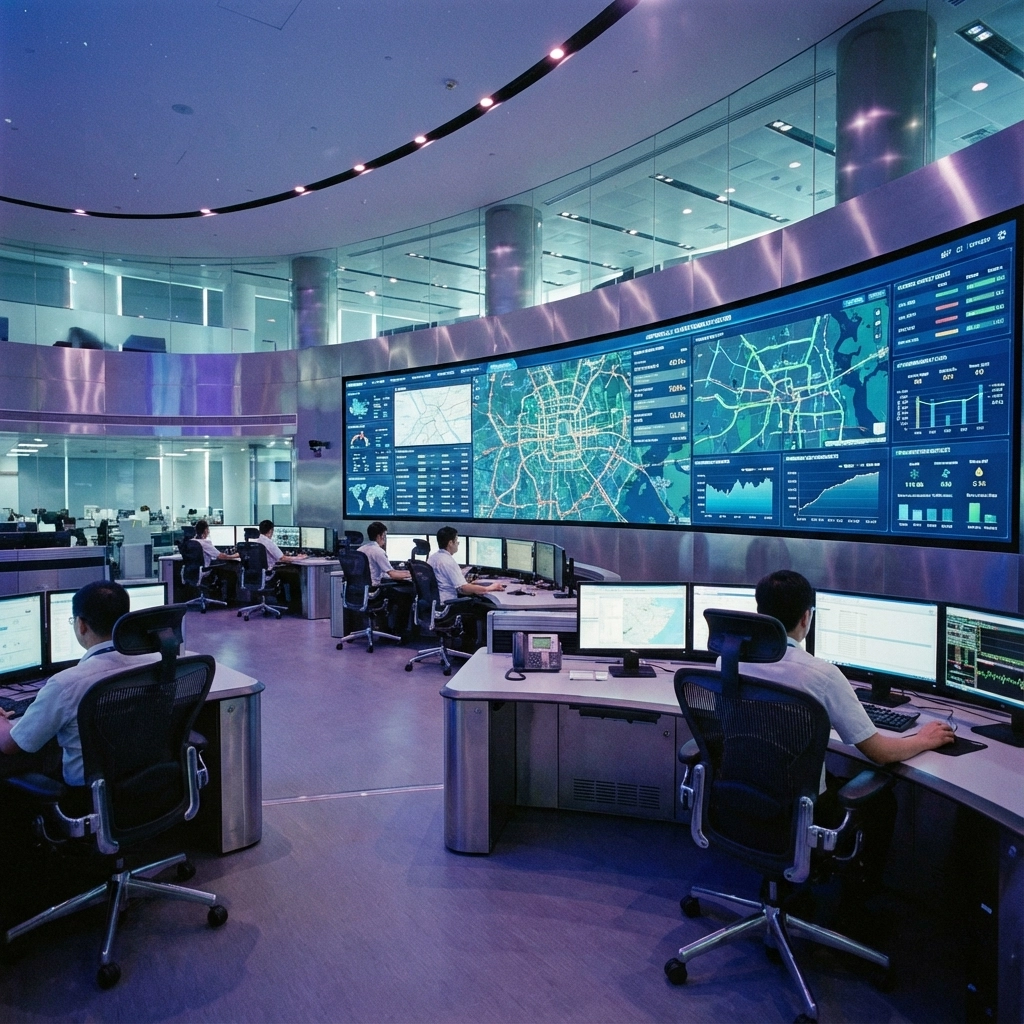
Looking Forward: Infrastructure Monitoring in 2025 and Beyond
The infrastructure monitoring landscape continues evolving rapidly as digital twin technology matures and traditional methods incorporate modern innovations. Organizations that embrace strategic monitoring approaches: whether fully digital, traditional, or hybrid: position themselves for sustained operational success.
Digital twins are becoming increasingly sophisticated, with enhanced AI capabilities and improved cost-effectiveness making them accessible to a broader range of organizations. Simultaneously, traditional methods benefit from modern tools and techniques that improve efficiency and data quality.
The most successful infrastructure organizations will be those that align their monitoring strategies with their specific operational requirements, risk tolerance, and long-term strategic objectives. Whether through cutting-edge digital twins, proven traditional methods, or thoughtfully integrated hybrid approaches, the goal remains consistent: maintaining safe, efficient, and reliable critical infrastructure that serves communities and businesses effectively.
Ready to explore how digital twin technology can transform your critical infrastructure monitoring? Visit MetaWorldX to discover comprehensive solutions designed for modern infrastructure challenges.