
The space industry is experiencing unprecedented growth, with global space economy revenues projected to reach $1 trillion by 2040. As missions become more complex and space infrastructure expands beyond Earth's atmosphere, the need for sophisticated monitoring, simulation, and management systems has never been greater. Enter digital twin technology: and MetaWorldX's pioneering approach to creating intelligent, real-time digital replicas of complex systems.
While MetaWorldX has established itself as a leader in smart city solutions and critical infrastructure management, the same core technologies that power urban digital twins are perfectly positioned to revolutionize space exploration, satellite operations, and extraterrestrial infrastructure development.
The Space Industry's Digital Transformation Challenge
Space missions operate in environments where failure isn't just costly: it can be catastrophic. Traditional monitoring and management systems often rely on delayed telemetry data and manual analysis, creating blind spots that can compromise mission success.
The challenges are multifaceted:
- Real-time decision making across vast distances with communication delays
- Predictive maintenance for equipment operating in harsh, inaccessible environments
- Resource optimization when every gram of payload costs thousands of dollars to launch
- Mission planning that accounts for countless variables and potential scenarios
- Safety monitoring for astronauts and critical infrastructure in space
These challenges mirror those MetaWorldX has been solving for smart cities and critical infrastructure: just with higher stakes and more extreme conditions.
Digital Twins: From Earth to Space
MetaWorldX's digital twin technology creates comprehensive, real-time digital replicas that integrate IoT sensors, AI analytics, and predictive modeling. The same principles that optimize urban traffic flow, predict infrastructure maintenance needs, and enhance emergency response can be adapted for space applications.
Satellite Fleet Management
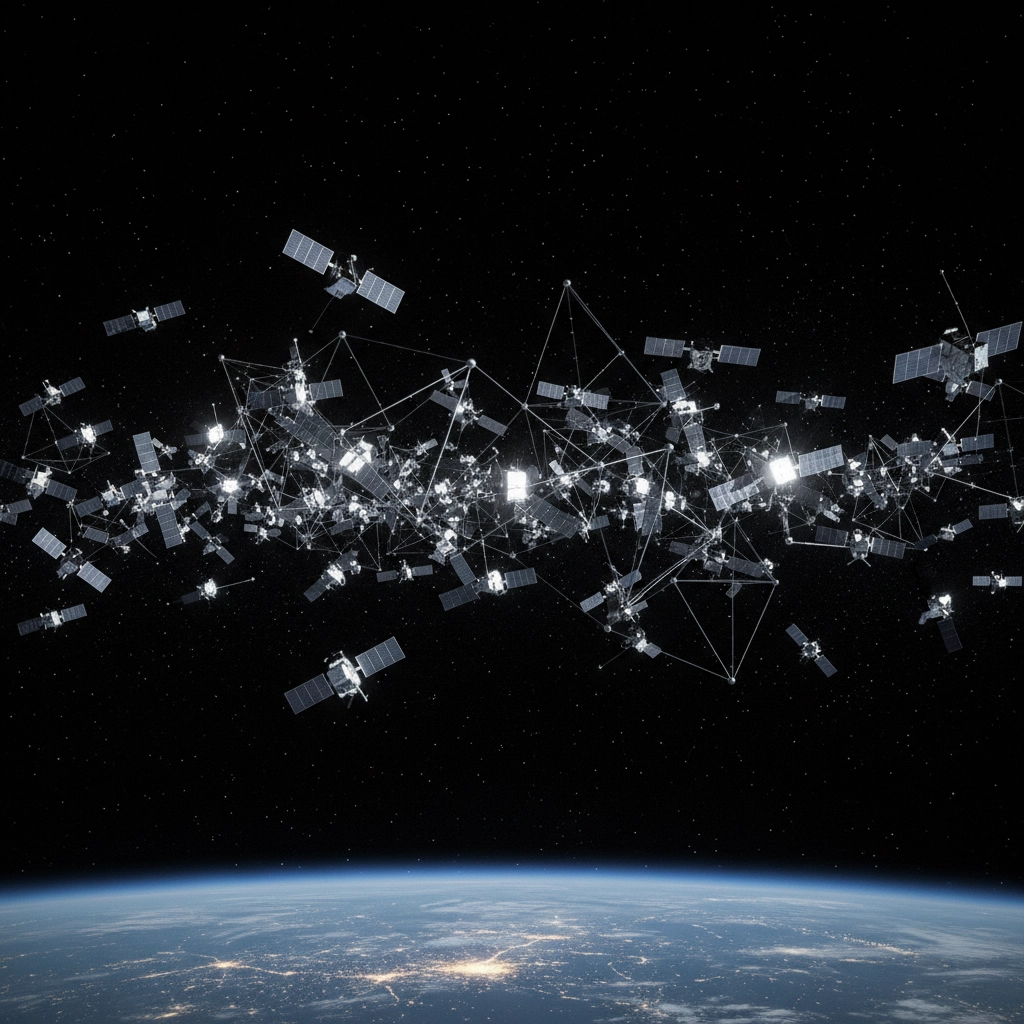
Modern satellite constellations like Starlink already operate thousands of satellites simultaneously. Digital twin technology can transform how these massive fleets are managed by:
Real-time Health Monitoring: Creating digital replicas of each satellite that process telemetry data in real-time, identifying potential issues before they become critical failures.
Predictive Maintenance Scheduling: Using AI algorithms to analyze performance patterns and environmental factors, predicting when components might fail and optimizing maintenance windows.
Orbital Traffic Management: Simulating satellite movements and potential collision scenarios, enabling proactive adjustments to prevent space debris incidents.
Mission Optimization: Testing different operational scenarios virtually before implementing changes, maximizing mission efficiency while minimizing risks.
Space Station Operations
The International Space Station and future commercial space stations represent some of the most complex operational environments ever created. Digital twin technology can enhance every aspect of station management:
Life Support Systems: Continuously monitoring and optimizing air recycling, water purification, and waste management systems through predictive analytics.
Resource Planning: Modeling consumption patterns to optimize supply missions and reduce waste.
Emergency Preparedness: Running thousands of emergency scenarios to improve response protocols and equipment placement.
Crew Health and Safety: Integrating biometric data with environmental conditions to predict and prevent health issues.
Lunar and Martian Infrastructure Development
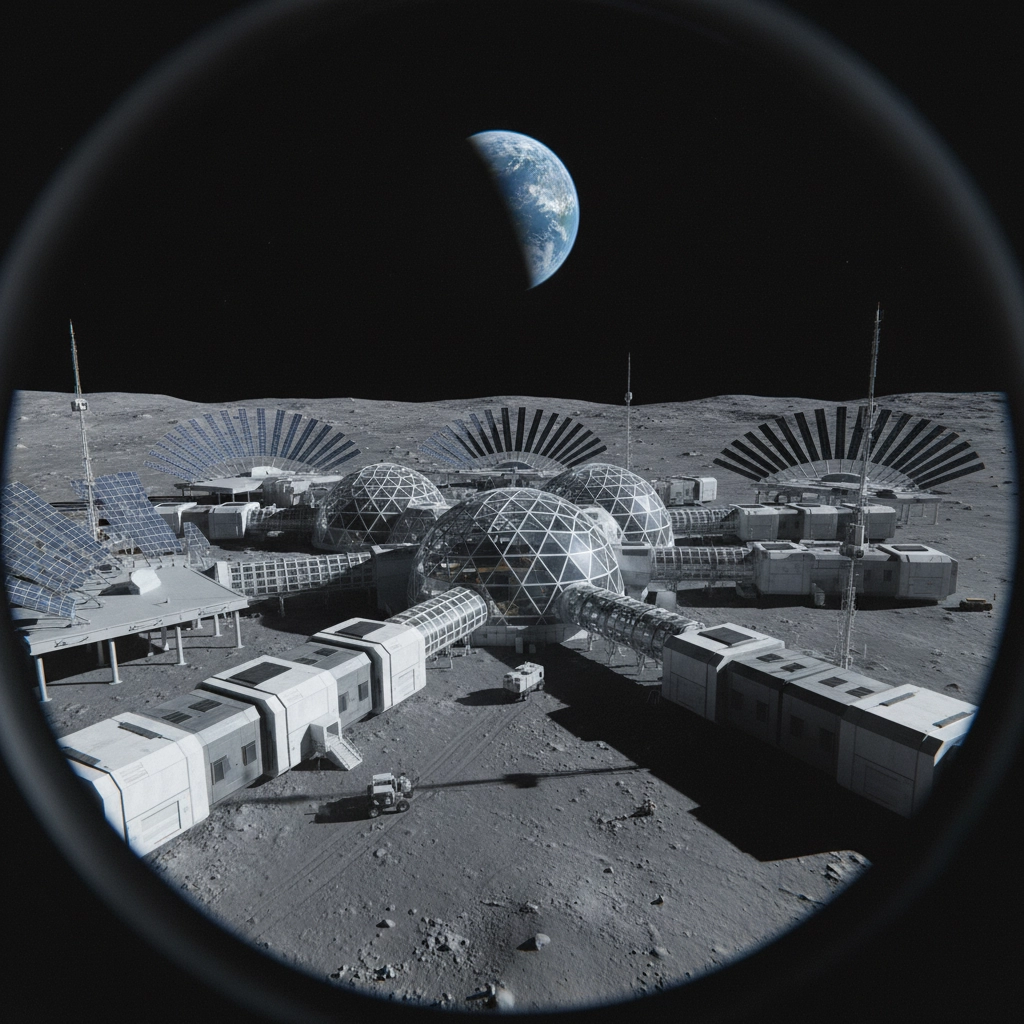
As humanity prepares for permanent settlements beyond Earth, the infrastructure challenges multiply exponentially. MetaWorldX's experience in building future cities translates directly to extraterrestrial settlements.
Habitat Design and Construction
Digital twins can revolutionize how we approach building on other worlds:
Environmental Simulation: Modeling how structures will perform under different atmospheric conditions, radiation levels, and temperature extremes.
Construction Planning: Optimizing the use of limited materials and equipment brought from Earth or produced in-situ.
Safety Systems: Designing redundant life support and emergency systems through extensive virtual testing.
Growth Planning: Creating modular designs that can be expanded safely and efficiently as settlements grow.
Resource Utilization
Space settlements must be largely self-sufficient, making resource management critical:
Mining Operations: Digital twins can optimize asteroid mining operations, predicting equipment performance and maximizing resource extraction.
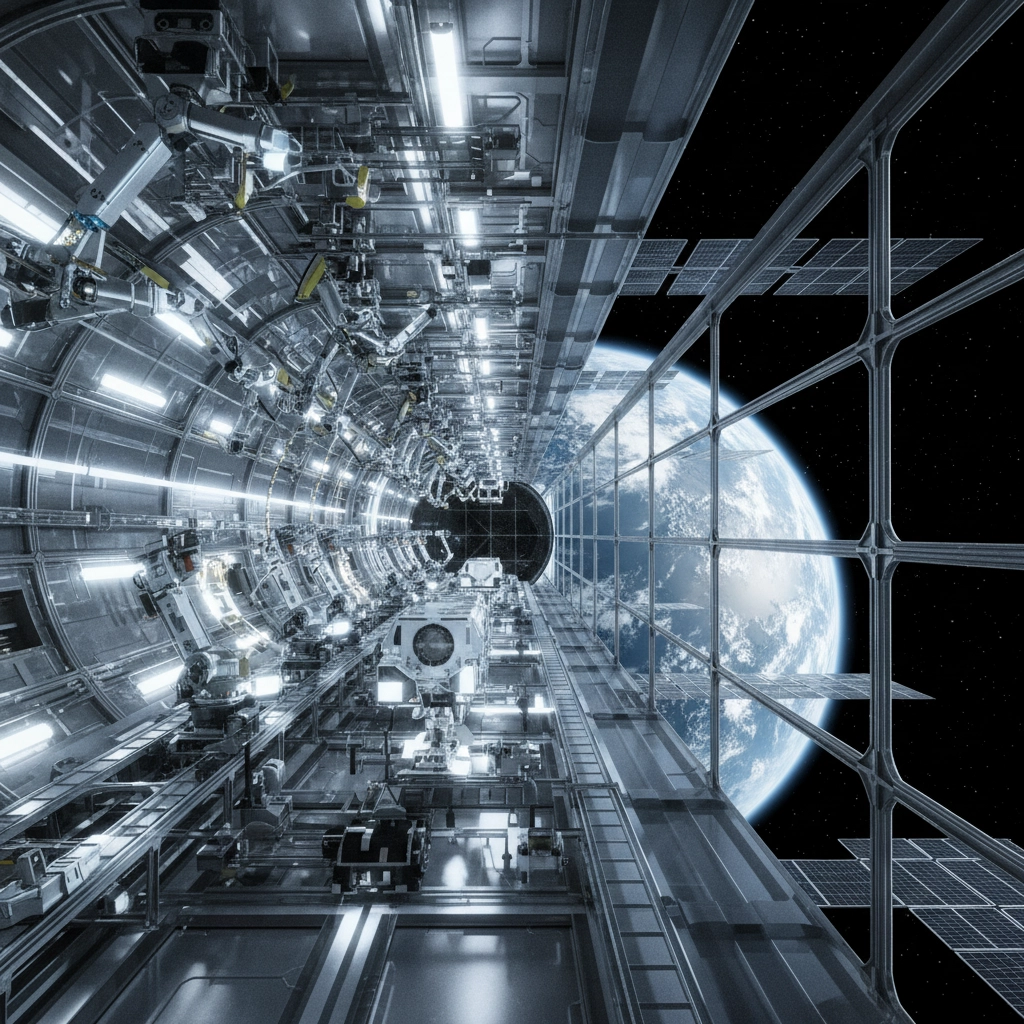
Manufacturing Processes: Virtual testing of in-space manufacturing systems before deployment, reducing costly failures.
Energy Management: Modeling solar panel arrays and nuclear power systems to optimize energy production and distribution.
Food Production: Simulating agricultural systems in controlled environments to maximize yield with minimal resources.
Deep Space Exploration Missions
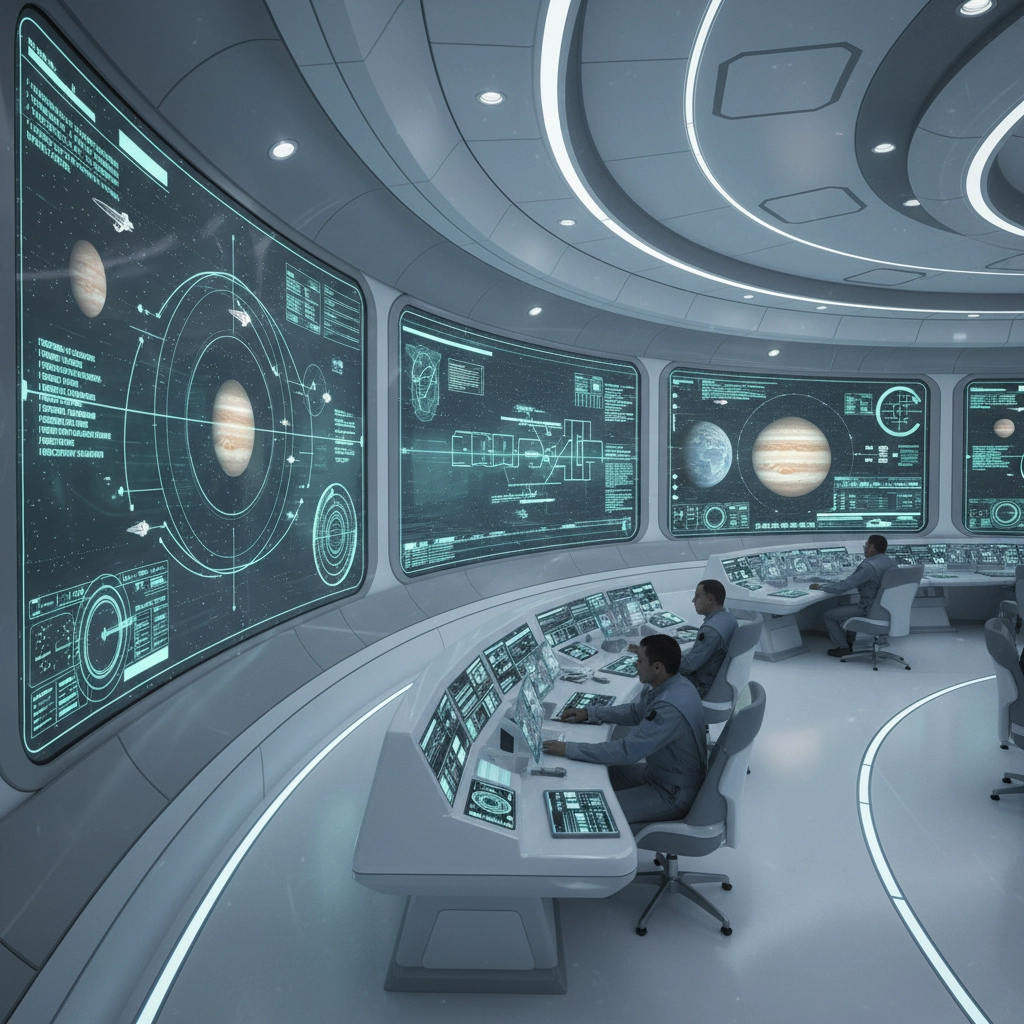
Long-duration missions to Mars, Jupiter's moons, or beyond present unique challenges that digital twin technology is uniquely positioned to address.
Mission Planning and Execution
Trajectory Optimization: Running millions of simulations to find optimal flight paths that account for fuel efficiency, timing, and safety margins.
Equipment Redundancy: Modeling different failure scenarios to determine optimal backup systems and repair strategies.
Crew Selection and Training: Simulating mission conditions to select optimal crew compositions and design training programs.
Communication Strategies: Planning communication windows and data transmission priorities across vast distances.
Autonomous Operations
As communication delays increase with distance from Earth, spacecraft must operate more autonomously:
Intelligent Decision Making: AI systems that can make critical decisions based on pre-programmed scenarios and real-time data analysis.
Self-Diagnosis and Repair: Systems that can identify problems and execute repairs without human intervention.
Adaptive Mission Planning: Automatically adjusting mission parameters based on changing conditions or unexpected discoveries.
The Technology Stack: Earth-Tested, Space-Ready
MetaWorldX's proven technology stack provides the foundation for space applications:
IoT Integration
Advanced sensor networks that can operate in extreme environments, providing the data foundation for accurate digital twins.
AI-Powered Analytics
Machine learning algorithms that can identify patterns and predict outcomes with minimal human oversight: essential for autonomous space operations.
Real-Time Processing
Edge computing capabilities that can process data locally, reducing dependence on Earth-based communication links.
Scalable Architecture
Cloud-native systems that can scale from single spacecraft to entire space settlements.
The same technologies that help cities enhance urban safety and manage crisis situations can be adapted to ensure astronaut safety and manage space emergencies.
Economic Impact and Market Opportunities
The convergence of digital twin technology and space exploration represents a massive market opportunity. Current estimates suggest the space economy will grow from $400 billion today to over $1 trillion by 2040, with much of that growth coming from improved operational efficiency and reduced mission costs.
Digital twin technology can drive cost reductions through:
- Reduced Mission Failures: Preventing costly losses through predictive maintenance and scenario planning
- Optimized Resource Usage: Minimizing waste and maximizing efficiency in resource-constrained environments
- Accelerated Development Cycles: Virtual testing reduces the need for expensive physical prototypes
- Enhanced Safety: Preventing accidents that could cost billions and set back programs by years
Challenges and Solutions
Adapting terrestrial digital twin technology for space applications presents unique challenges:
Communication Latency: Space missions must operate with significant communication delays. Solution: Enhanced edge computing and autonomous decision-making capabilities.
Radiation Hardening: Space electronics must withstand high radiation levels. Solution: Radiation-tolerant computing systems and redundant architectures.
Power Constraints: Space systems have limited power budgets. Solution: Optimized algorithms that minimize computational overhead while maintaining functionality.
Data Storage: Limited storage capacity in space systems. Solution: Intelligent data compression and prioritization systems.
The Path Forward
As the space industry continues its rapid evolution, the integration of advanced digital twin technology becomes not just advantageous but essential. MetaWorldX's expertise in creating intelligent, responsive digital ecosystems for terrestrial applications provides a strong foundation for space technology advancement.
The company's experience with AI impact on digital twins and visionary digital twin solutions positions it uniquely to bridge the gap between Earth-based smart city solutions and the complex demands of space exploration.
The future of space exploration will be built on intelligent systems that can predict, adapt, and optimize operations across vast distances and extreme environments. Digital twin technology represents the key to unlocking this potential, transforming how we explore, work, and live beyond Earth.
As we stand on the threshold of becoming a truly spacefaring civilization, the technologies we develop today will determine our success tomorrow. MetaWorldX's digital twin expertise offers a pathway to safer, more efficient, and more successful space missions( powering humanity's greatest adventure.)